
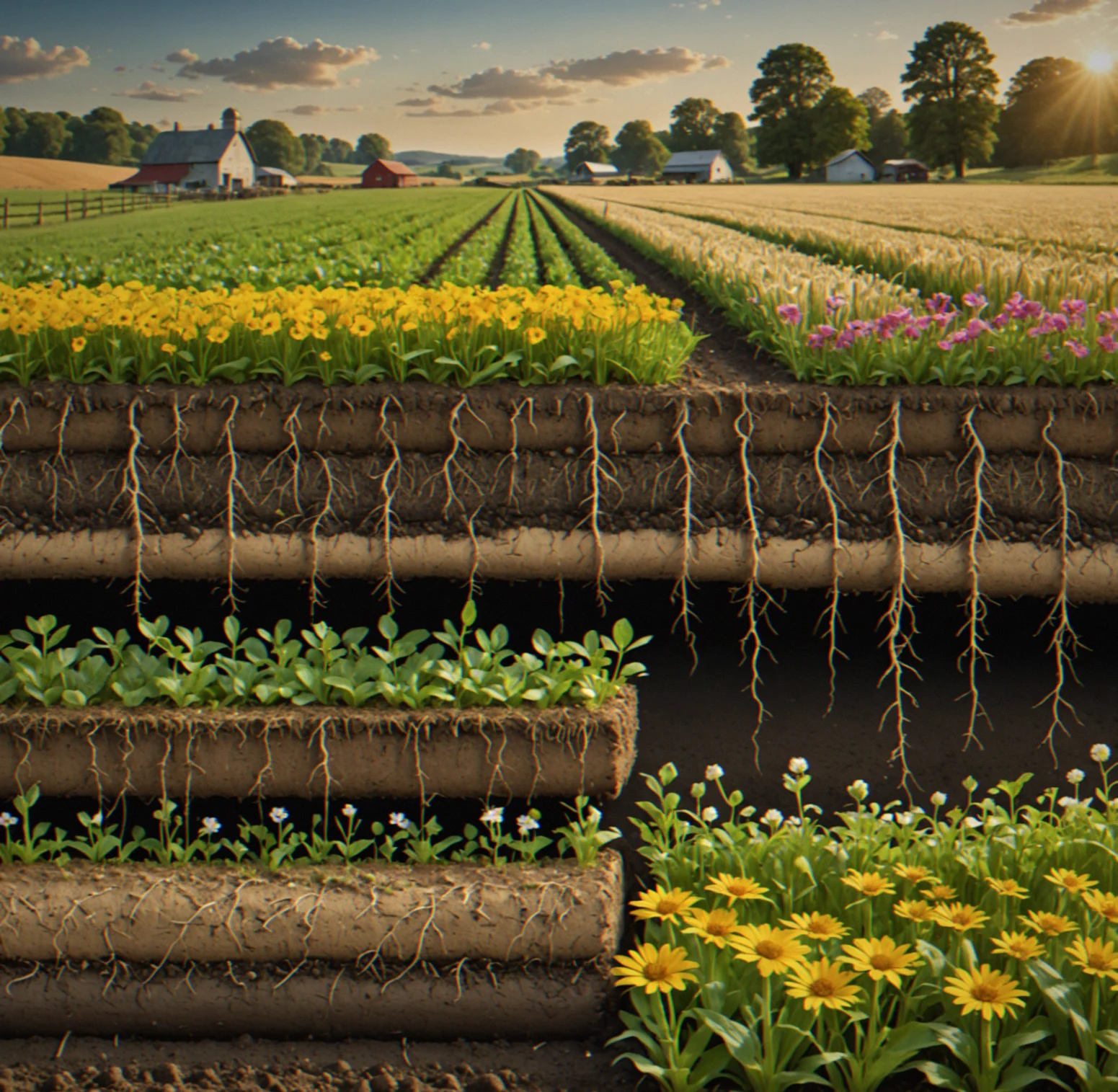
What grows below shapes what libes above
A farming simulation where soil choices ripple through an entire underground ecosystem.
You plant tomatoes. Roots dig down into living soil and attract earthworms, shift the pH balance, feed fungi. A beetle colony three tiles below notices. Next season, different creatures show up. Your farm isn't just making crops. It's a conversation between layers you can't see but absolutely shape.
Coremeadow asks what happens when you stop grinding and start observing. Watch soil composition change how creatures behave. Notice seasonal root networks shifting based on what you've planted above. Tend an underground ecosystem that remembers your choices and responds in kind. this isn't about chasing yield curves or hunting currency—it's about understanding how a living system actually functions.
How it works
The underground ecosystem responds to everything you plant
What you do on the surface ripples down into the soil in ways you can actually see play out. Plant nitrogen-fixing clover and the soil recognizes it — within a few in-game days, things shift underground. Earthworm colonies start expanding. The mycorrhizal networks get stronger. A mole family might reroute its seasonal path to chase better food sources. None of this is hardcoded. It all emerges from the soil chemistry and creature behavior running together in real time.
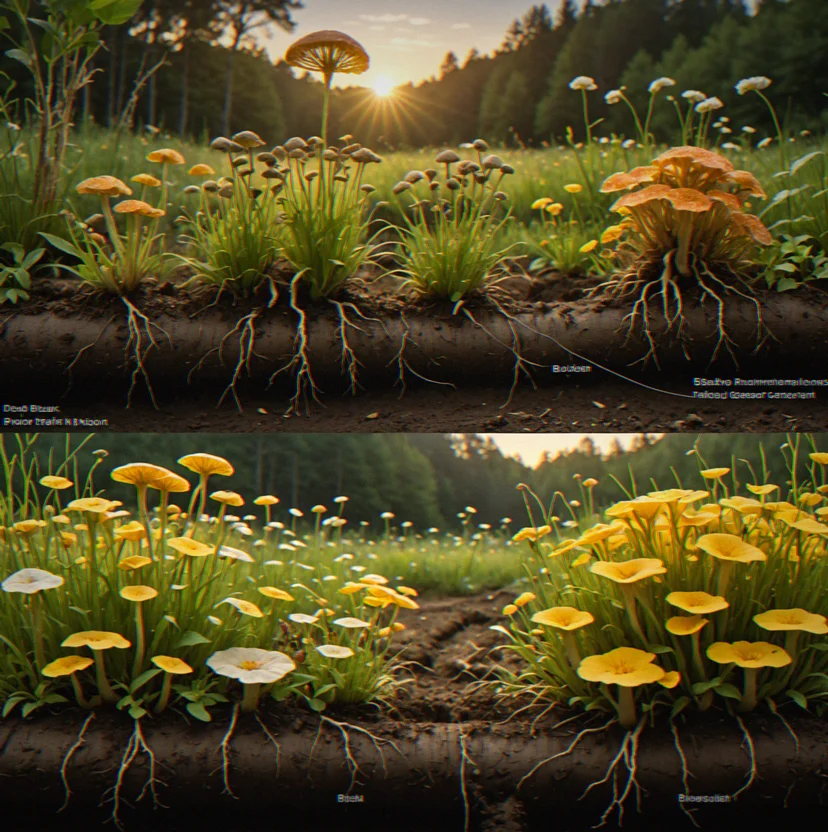
Underground creature types you can find and document
Soil composition becomes something you can actually manipulate and observe. Dump in compost and organic matter builds up, fungi flourish, decomposition speeds up and creatures that like shallow soil do better. Till the same patch over and over and you compress the clay layer, pushing certain populations deeper or off to somewhere else entirely. Leave a field alone for a season and dormant spores start waking up, moss takes over, slower creatures move in and settle. The system keeps track. It adapts to what you're doing.
In-game seasons it takes root networks to fully stabilize after you make big changes
Soil variables that shape how NPCs behave
What Makes It Work
Five things that completely shift the way you play
The stuff that separates people who just plant from people who actually understand what's going on.
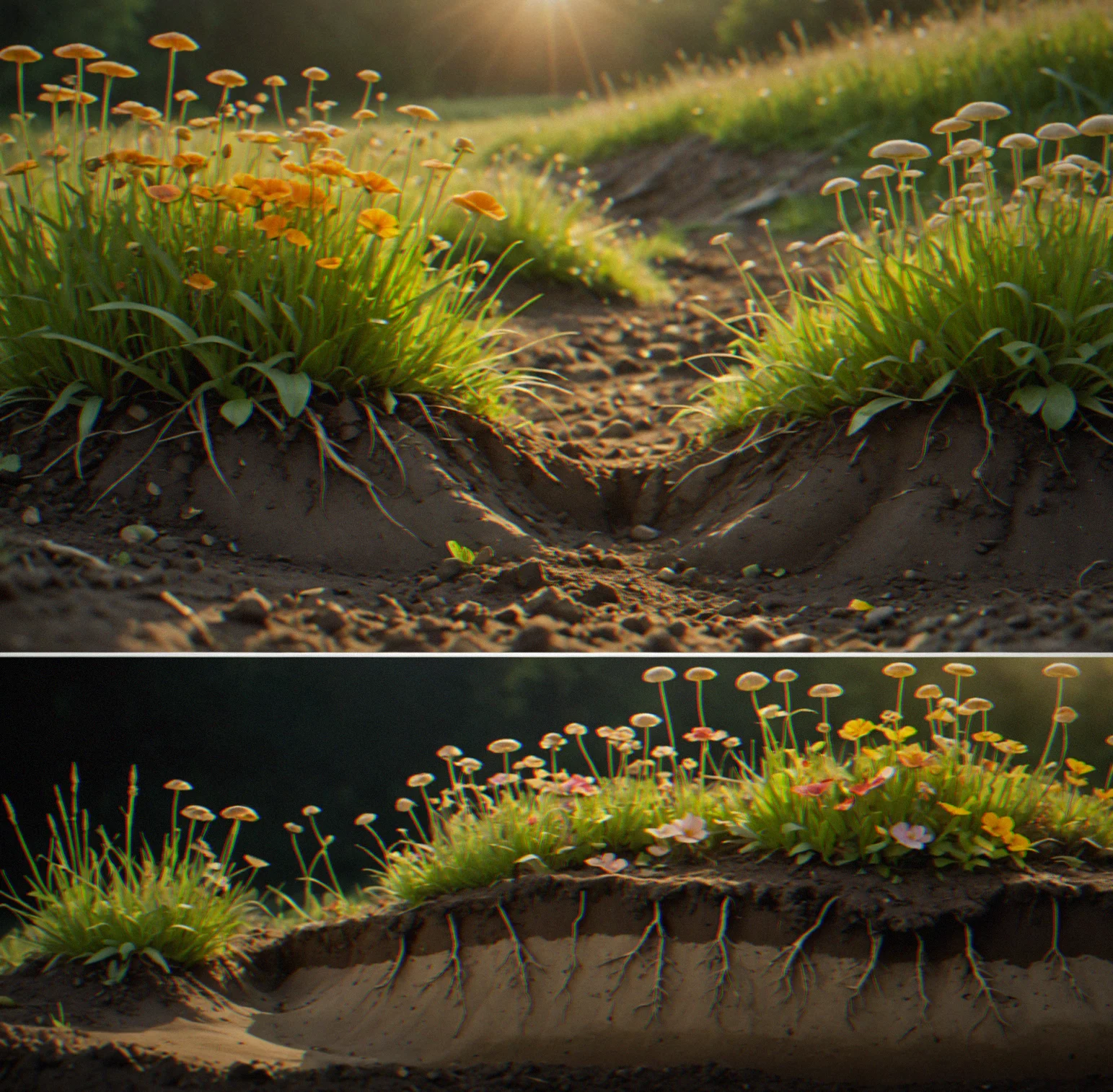
Soil isn't just a number you watch tick up
Your soil contains clay, silt, sand, and organic matter in different proportions. That mix determines what'll actually grow there and which creatures live underground. When you add compost, the organci matter climbs and fungi move in faster, decomposition picks up speed. Till it too much and the clay gets packed down tight, forcing certain populations deeper or out entirely. There's no stat bar here.
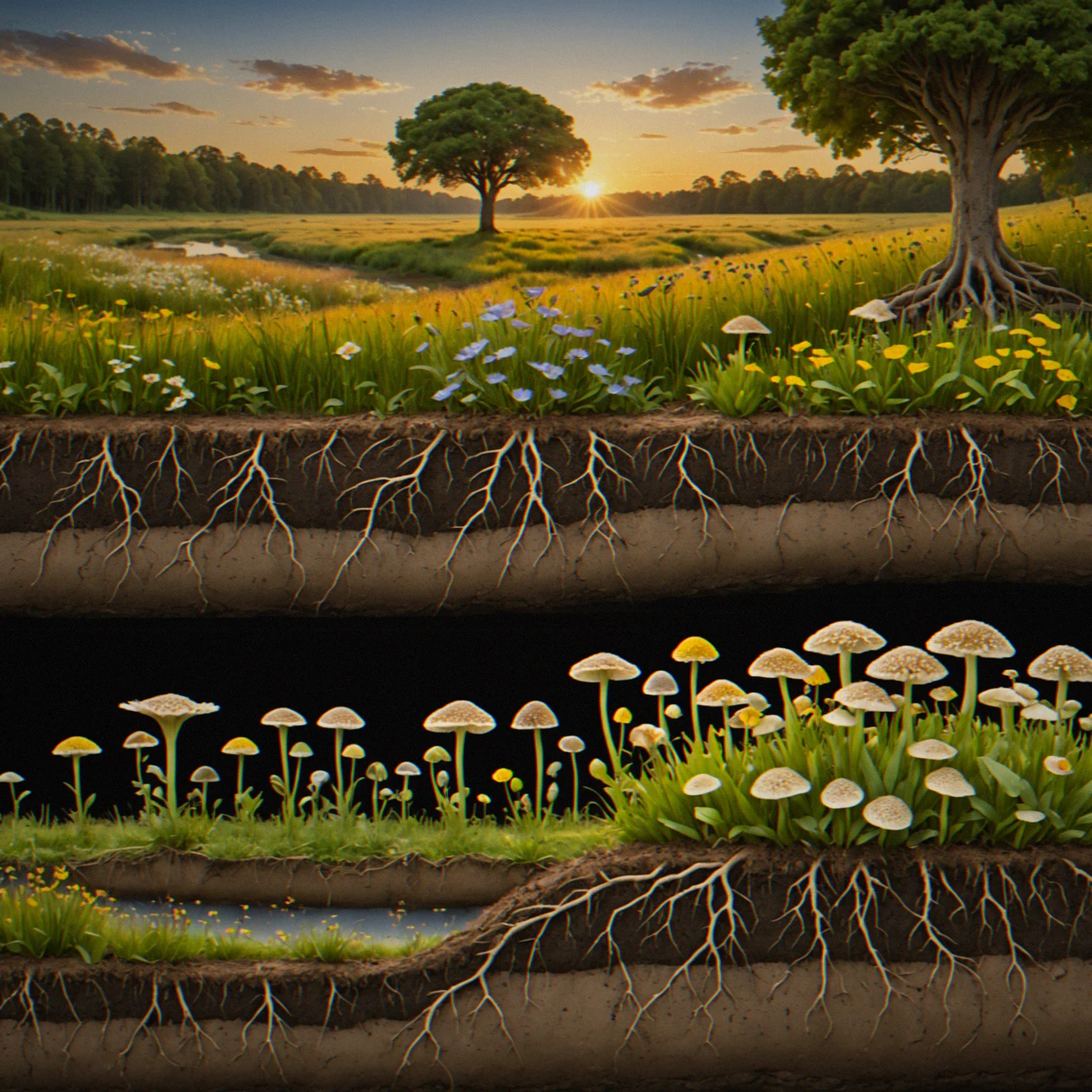
Root systems physically shift as seasons change
Watch wheat drive roots straight down and aggressive in spring. Clover spreads shallow instead, feeding nitrogen-fixing bacteria along the way. Between seasons those root systems move across your map. Some pull back, new ones form, old connections disappear. Plant wheat in one patch and clover in another, and by midsummer the underground looks like completely different worlds. That's the kind of thing that actually changes your strategy.
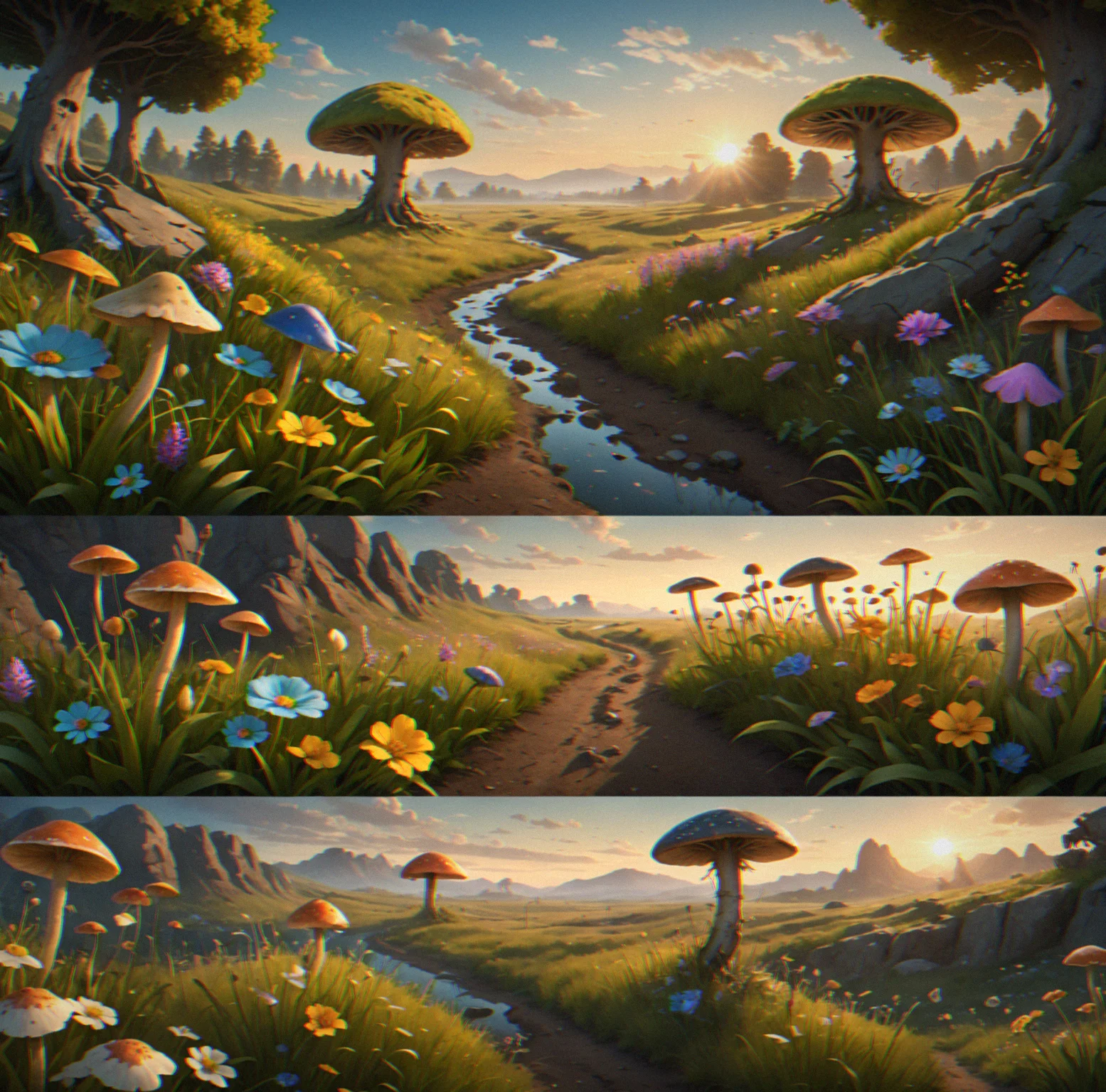
The underground has memory
Five NPC populations live under your soil—ant colonies, mole families, beetle swarms, millipede clusters, decomposer networks. They settle in based on soil conditions and what's available to eat. Keep a patch loose and rich and they flourish. Ignore it and they leave. When they come back the next season they follow the same routes they used before, so what you did last year shapes whether they show up now.
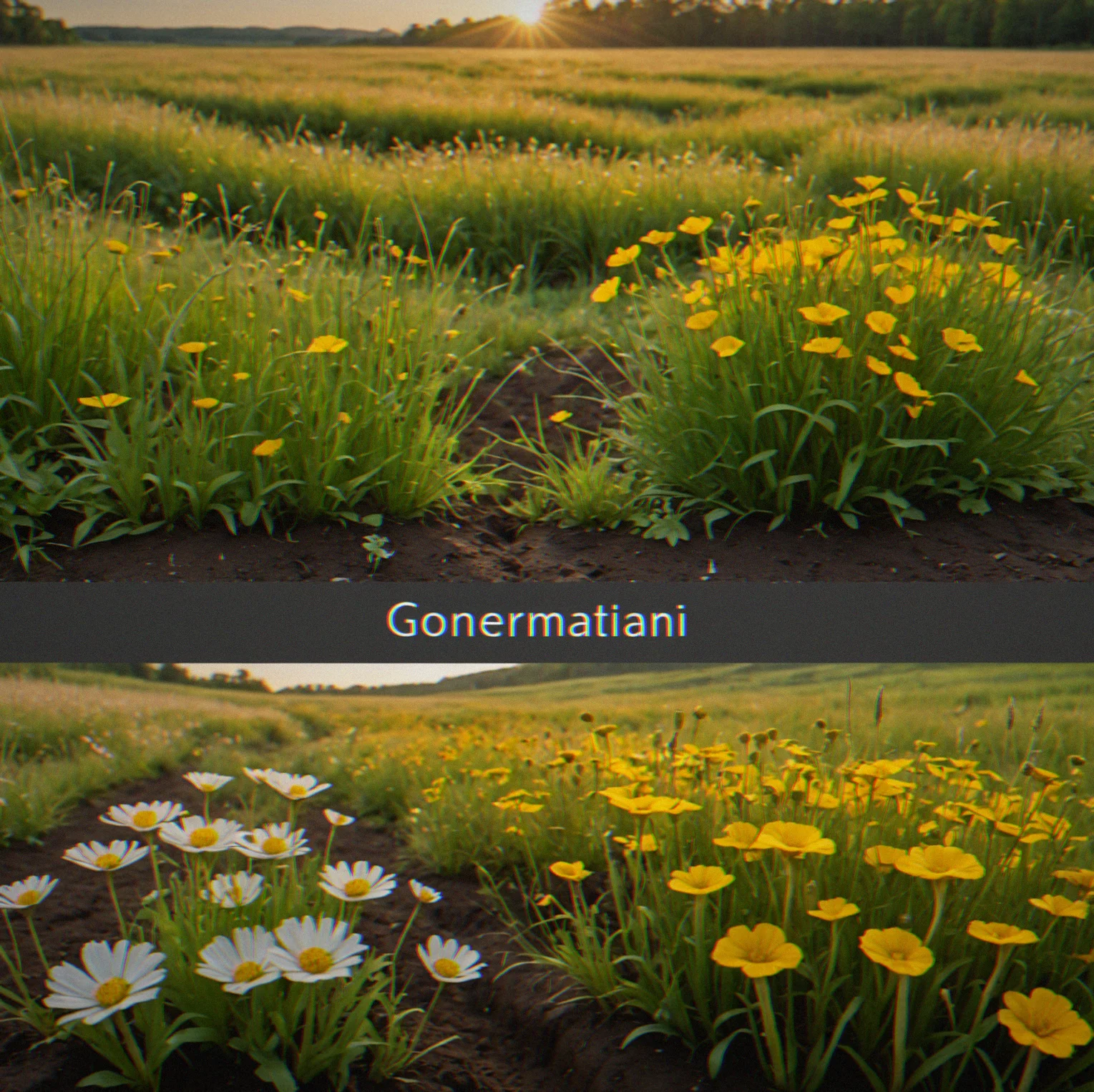
Monoculture catches up with you
Four seasons of the same crop and pest larvae explode, nutrients vanish, fungi networks thin out. So you switch to diversity and it works but don't expect instant gratification. Somewhere around a dozen in-game weeks has to pass before the ecosystem actually rebalances. But when it does, the shifts are real and permanent.
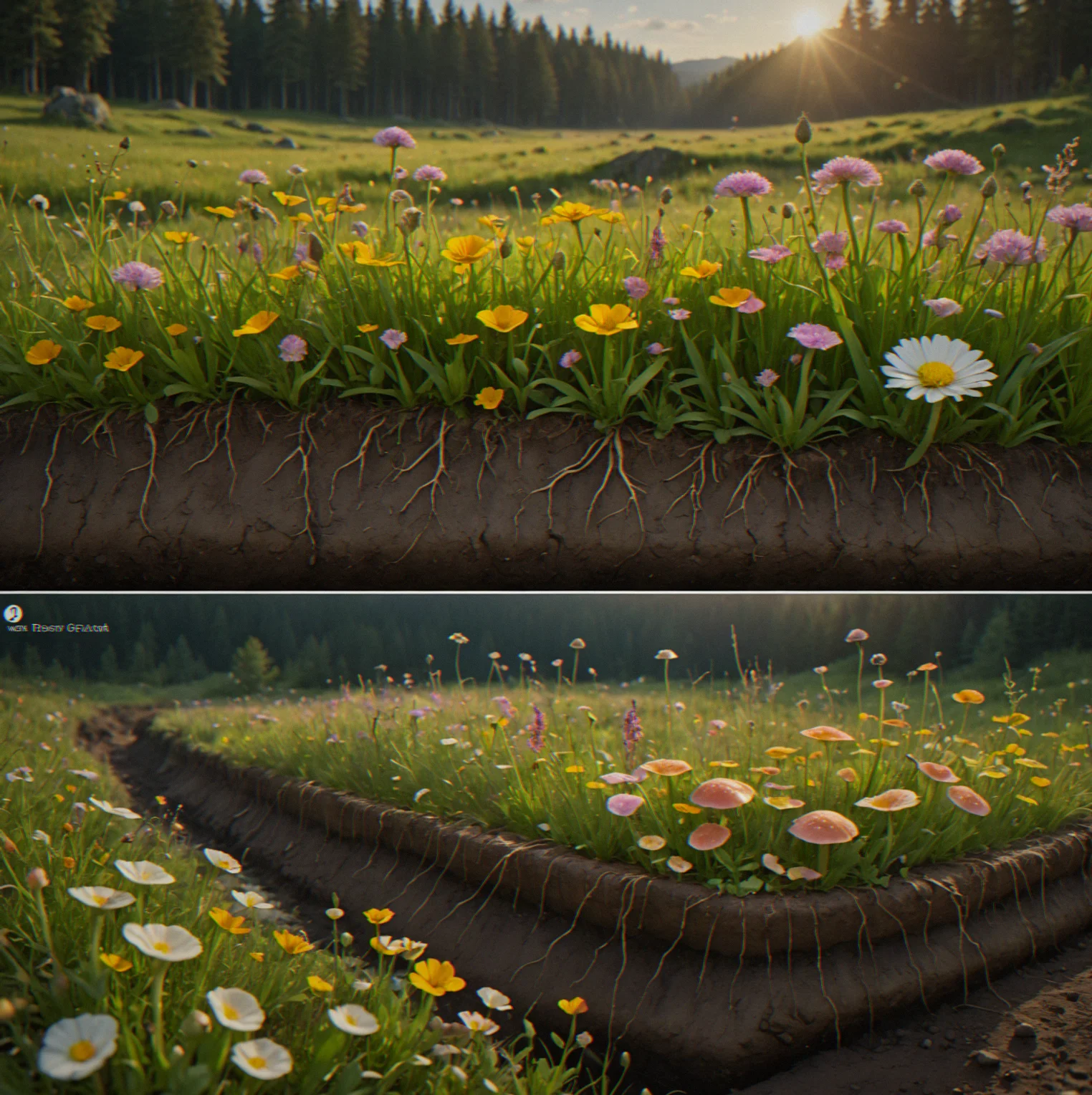
Go underground and watch it happen live
Zoom into the root view and decomposition unfolds right in front of you. Fungi colonizing fresh compost. Populations shifting hours after you plant. The information's always there if you want it, but the people who really get their farm's logic are the ones who actually pay attention. They sketch what they see, they keep notes, they form theories. That's how you stop guessing.
A few in-game days before the ecosystem shifts
Drop some nitrogen-fixing clover in the ground and the underground world responds pretty quickly. Earthworm populations expand. Fungal networks get stronger. There's enough delay that it feels real, but not so much that you're sitting around waiting. You actually see what you planted affect what happens next.
Soil composition as playable mechanic
The ratios of clay, silt, sand and organic matter determine what can survive down there. More compost means decomposition speeds up. Keep tilling and you pack the soil tight, pushing populations deeper. Every move you make reshapes the system. It's not some meter filling up. It's a living thing that actually changes.
Root networks that physically move
Seasons shift and roots move with them. Wheat goes deep and aggressive while clover spreads out shallow across the soil. You watch the underground landscape rearrange itself based on what grows above it. The map itself becomes a record of what you chose to plant.
Underground NPCs that remember routes
Five creature types—ants, moles, beetles, millipedes and decomposer networks—carve out territories based on soil conditions. They remember where things were good before, heading back to those same spots the next season. What you did last time actually shapes how they behave now. Patterns stick around.
Field journal for your own theories
You can jot down what you notice, sketch the creatures you see, write out ideas about how your farm's ecology works. The game won't force you to do it. But players who keep journals, who actually track what's happening and test their own ideas—those are the ones who get what's really going on underground. You understand more when you put in the work yourself.
Underground Systems · Living Mechanics
Check out what you're getting into
The game doesn't hide what's happening underground behind diagrams or nested menus. Instead you get a living slice of soil you can zoom in on and really look at. Root systems, how many creatures are actually down there, fungal networks spreading through everything, decomposition happening in real time... and you watch how your decisions ripple through all of it. See it unfold, figure out what's working, then adapt.
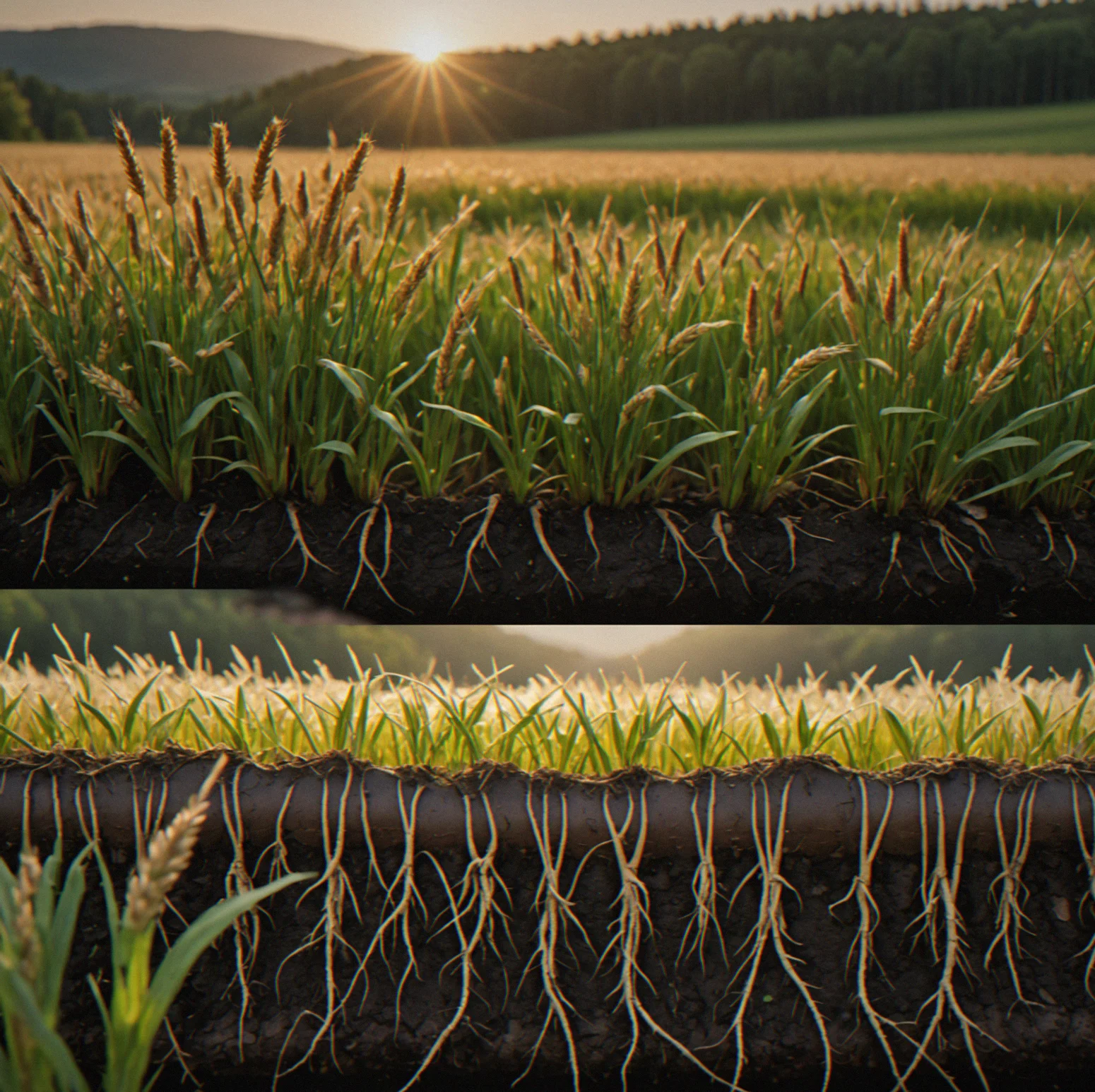
Wheat roots taking over. Look where the earthworms congregate.
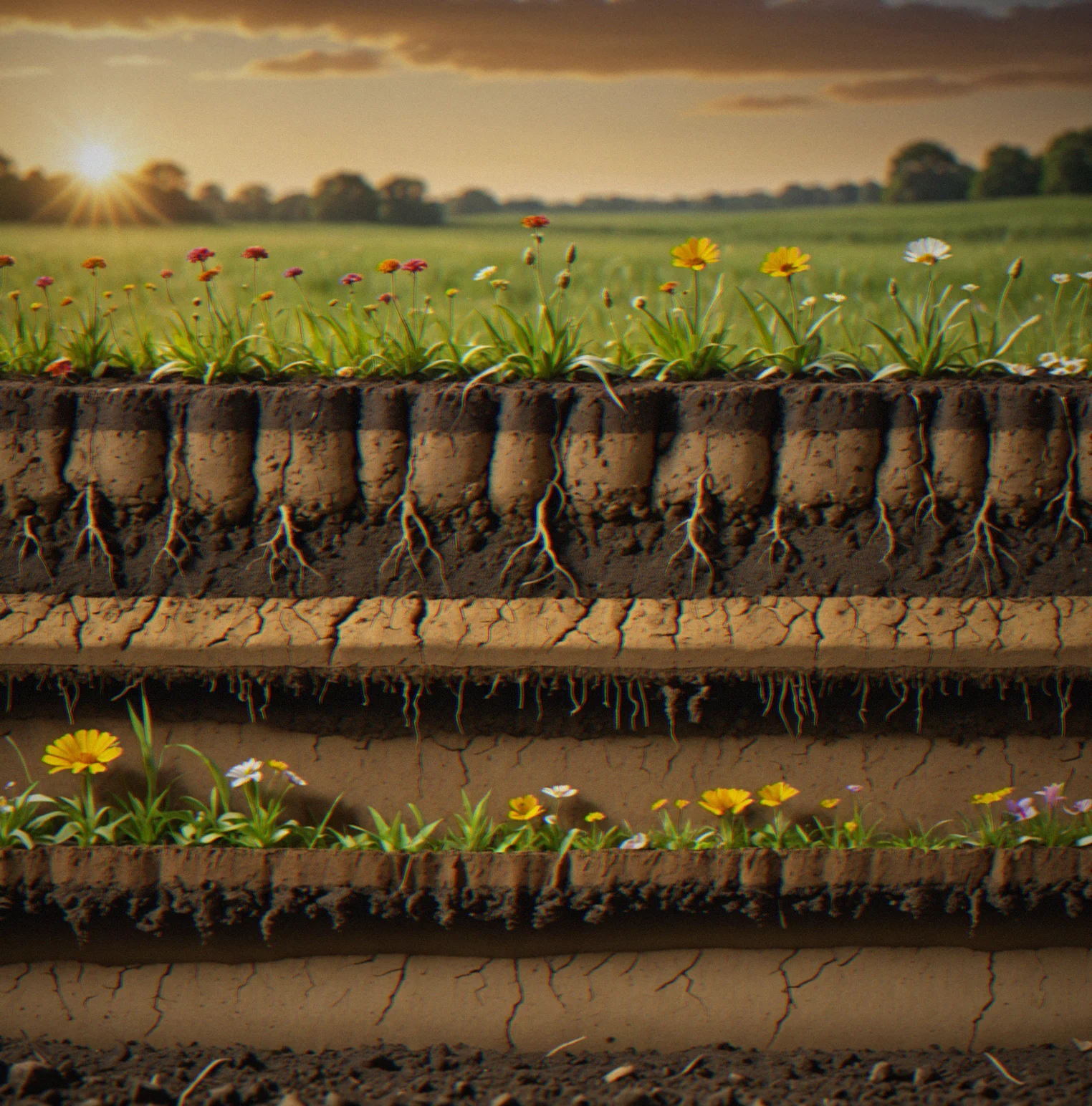
You can see how soil breaks down into layers. Clay sits up top, sand underneath. Each depth has its own crowd of creatures.
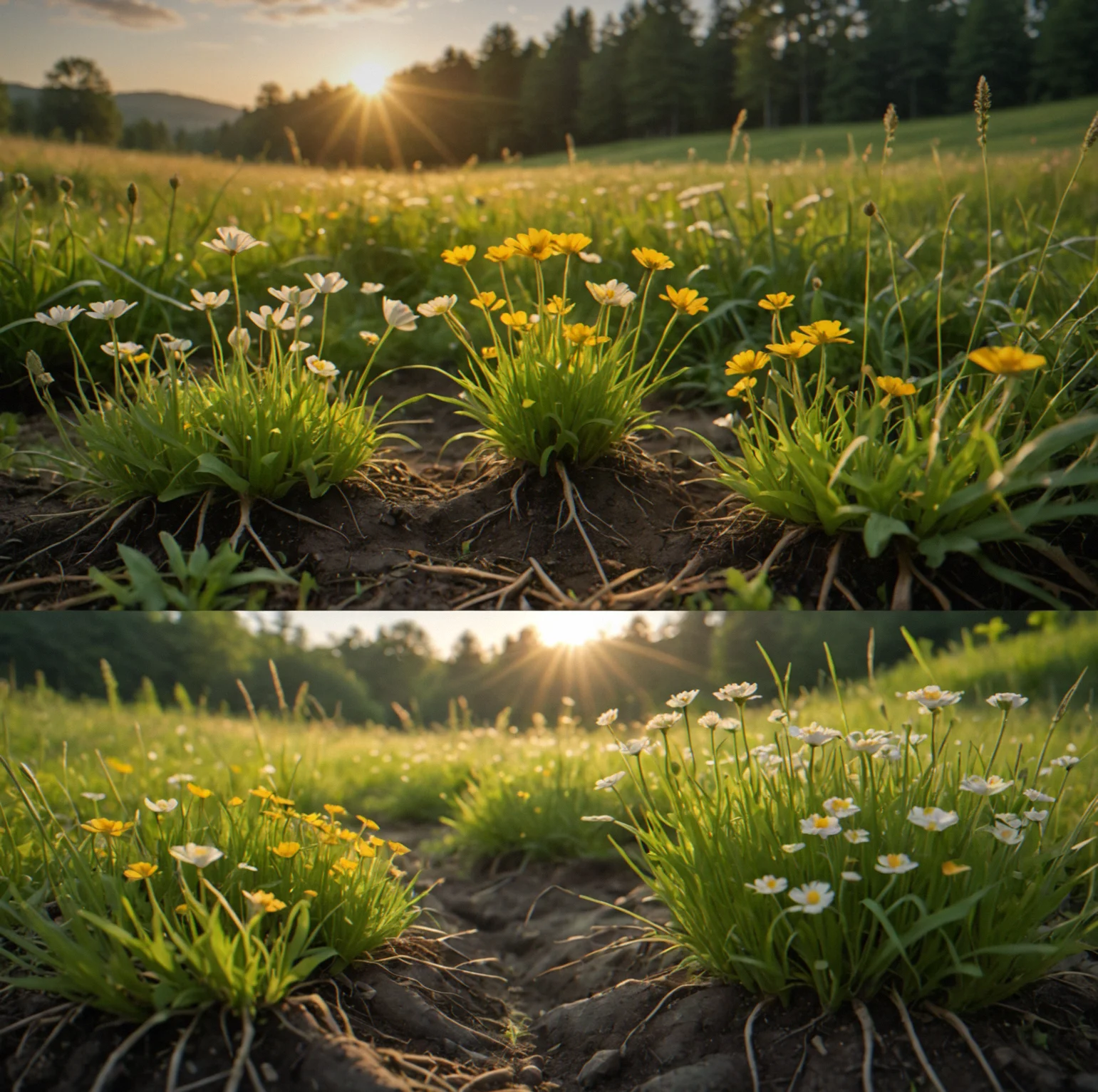
Spring becomes summer and the roots start reaching everywhere. The fungal threads link everything together... suddenly the whole system kicks into gear.
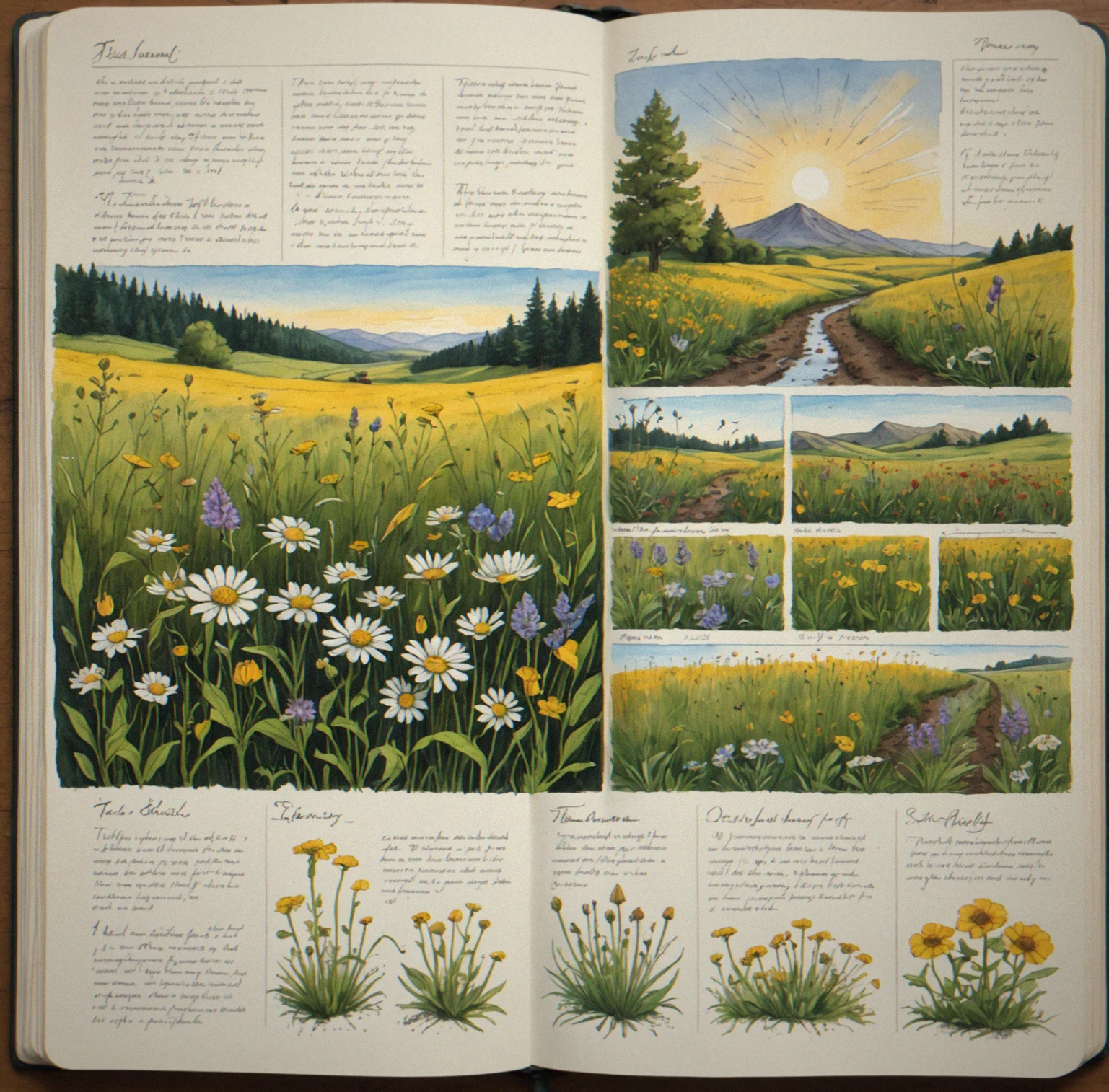
This is your field journal. Sketch whatever catches your eye, write down what you think is happening, keep tabs on how things shift from one season to the next. The game won't force you to use it but when you take notes yourself, you start noticing things you'd otherwise miss.
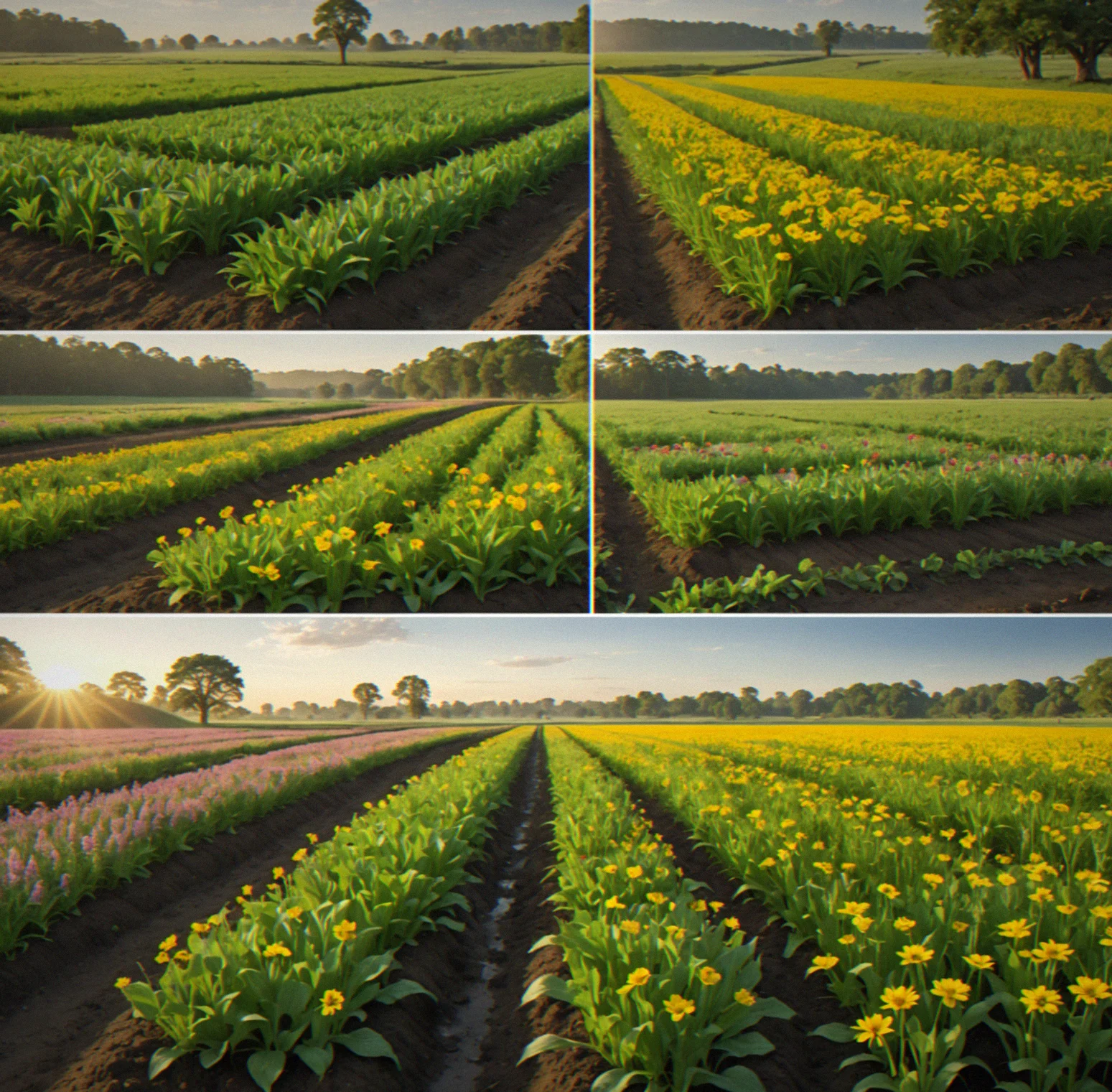
What you plant on top changes everything below the surface. Mix up your crops and you get wildly different underground worlds — and that actually makes a difference.
What Makes This Work
Soil composition shapes underground behavior
Clay, silt, sand, and organic matter all play a role in which creatures show up and where they decide to settle. Bump up your compost and fungal networks kick into gear within a few days. Compact the soil by tilling it over and over, and populations burrow deeper to escape. Your soil isn't just scenery — it's what actually drives how the ecosystem responds.
Root networks physically shift between seasons
Wheat pushes roots down deep and fights for resources. Clover spreads out shallow, hosting bacteria that fix nitrogen. Watch these systems completely redraw the underground map as the seasons turn. Every planting choice reshapes the root architecture for the months ahead.
Creature NPCs develop persistent routes
An ant colony settles into a territory based on soil density and remembers it. Mole families track where the earthworms are. When conditions change they'll adapt — but as soon as things stabilize they drift back to the routes they know. Consistency registers. The system is keeping track.
Cause and effect without delay
Plant some nitrogen-fixing clover and the underground responds within just a few in-game days. You don't have to wait entire seasons wondering if your choice actually did anything. There's enough lag to feel realistic but it's tight enough that you stay engaged and keep testing things.
No currency treadmill
Money doesn't matter here. You're not grinding toward some balance number. The real goal is figuring out how your farm actually works — how all the pieces connect, what creatures respond to, what patterns your choices create over time.
Field journal as learning tool
Jot down what you see. Draw the creatures. Make guesses about how things work. The game won't force you to do this — but players who actually track what's happening stumble onto deeper systems than people who just plant and harvest. You learn more when you put in the effort yourself.
Monoculture has real consequences
Plant the same thing four seasons in a row and the soil tanks, pest larvae explode, beneficial networks collapse. Switch it up and the ecosystem recovers — though it'll take several months of in-game time. No workarounds. Just visible, permanent shifts in what can thrive below the surface.
Root-view tool shows everything in real time
Zoom underground and watch decomposition unfold. See fungi moving into fresh compost. Track how populations shift hours after you plant something. Use it constantly or hardly ever. The system runs fine eirher way.
Things people actually wonder about
Coremeadow works differently than most farming sims. Here's what you're getting into — and what you're not.
The feedback loop is tight. Plant nitrogen-fixing clover and underground populations shift within a few in-game days. That's fast enough to keep momentum but slow enough to feel real. You're not staring at a loading bar. You're watching a system change.
No. Stardew has charm and character. Coremeadow keeps that cozy feeling but adds mechanical depth. Soil composition actually changes creature behavior, root networks physically reshape, NPCs develop persistent routes based on your cultivation patterns. The underground ecosystem isn't just flavor. It's the whole thing.
Yeah. Crops still grow. You'll just be less efficient and discover fewer patterns. Players who build field journals, who track soil changes, who form theories — they understand the system deeper. But the game doesn't punish you for skipping that.
There's no end-state. Most players get absorbed for tens of hours before they feel like they've understood their farm's logic. Some keep playing because the ecosystem never stops shifting.
They affect soil quality and root network strength, not harvest counts directly. A mole family might tunnel through your field, but that loosens compacted soil — which helps. Pest populations rise if you monoculture, but that's a signal, not a punishment.
There's no optimization treadmill. You won't see all the creature types in one playthrough. You won't discover every soil-to-ecosystem interaction. That's intentional. Each farm tells a different story based on your choices.
The surface gameplay is cozy and straightforward. Plant, water, harvest. The underground systems exist for players who want them. Ignore the root-view tool and field journal if you prefer. The farm still works.
Stay in the loop about soil systems, seasonal changes, and what people find underground.
We send something out every few weeks. You get gameplay tips, breakdowns of how things actually work, and observations from players digging around. No marketing noise. Just practical details about the ecosystem and what changes when you approach planting differently. Want to stop? Unsubscribe whenever.